
Common Uses for Shipping Containers in Dubai
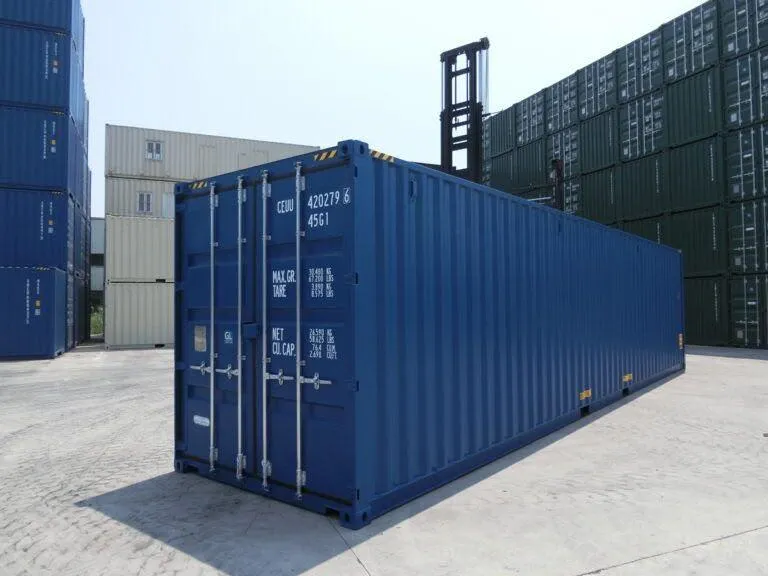
Walk any active Dubai development corridor and you will see shipping containers earning their keep as something other than ocean cargo boxes. The city’s project tempo, rented yards, and preference for relocatable assets make steel containers a default storage and support tool.
Construction site stores
The classic use: lockable space for power tools, consumables, and small equipment. A 20ft unit near the workface beats a long walk to a central store. Larger programmes add 40ft capacity for bulk materials. Placement near tower crane radii needs coordination so the box does not become an obstacle.
Overflow warehouse capacity
When racking is full but the lease should not expand yet, yards park containers as modular overflow. This is pure storage container thinking. Inventory that turns slowly — spare parts, seasonal packaging, marketing displays — sits secure without rebuilding the warehouse.
Events and temporary operations
Pop-up retail shells, ticketing booths, and equipment holds for events appear around Dubai’s calendar spikes. These jobs often need cleaner presentation, pushing buyers toward newer shells or fresh paint. Modifications for doors and serving openings must be planned against event install timelines.
Workshops and fabrication support
Light workshops use containers for consumables and sometimes as ventilated work cells after modification. Dusty Sharjah and Dubai industrial belts favour durable used grades. Electrical prep and extraction planning separate a safe workshop from a hot steel oven.
Site offices and gatehouses
Office containers give managers air-conditioned space without a permanent build. Gatehouses in 20ft shells control access. Insulation is not optional for occupied rooms in UAE summers.
Agricultural and open-yard storage
Beyond the city grid, farms and open yards use containers for feed, parts, and equipment. Soft ground delivery becomes the main constraint. Blocks and compacted pads prevent twisted door frames.
What not to assume
Containers are tough, not magical. Hazardous materials need compliance thinking. People sleeping in unmodified metal boxes is a safety and welfare non-starter. Refrigerated goods need true reefer equipment, not a dry box with a hopeful split AC.
Choosing for the use case
Match size to inventory, grade to visibility, and modifications to occupancy. Then validate delivery. TAT Containers focuses on these practical Dubai patterns rather than novelty architecture. If you already know the use, jump to containers for sale and tell us how the box will work on a normal Tuesday — that story produces better specifications than buzzwords.
Need containers for a project?
If this guide helped clarify size or condition, request a quote with your delivery location in Dubai or the UAE.