
20ft vs 40ft Shipping Containers: Which Size Is Right?
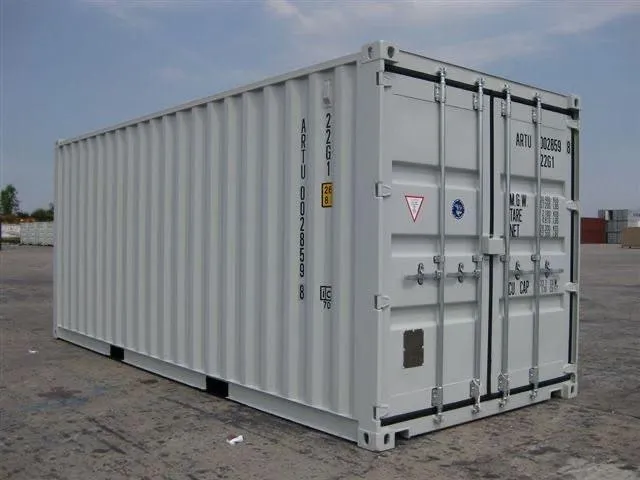
Choosing between a 20ft and a 40ft shipping container looks simple until the truck arrives and the gate is too tight. In Dubai and across the UAE, size selection is rarely only about cubic metres. It is about access roads, crane reach, how you will load the box day to day, and whether you are paying for empty air.
Footprint and site geometry
A standard 20ft container is roughly six metres long externally. A 40ft unit doubles that length while keeping a similar eight-foot width. On a generous industrial plot the difference is trivial. On a villa compound service lane, a shared warehouse alley, or a site with a sharp turn before the laydown pad, the extra length can block the job entirely.
Walk the route the trailer will take. Note gate width, overhead cables, tree canopies, and soft sand shoulders. If a 40ft trailer cannot swing, you are not buying a 40ft container — you are buying a delay. In those cases two 20ft units can be more rational even if the combined price is higher.
Volume and how you actually store
Internal volume is the obvious 40ft advantage. Bulk materials, long formwork members, pallet rows, and seasonal stock often justify the larger shell. But volume only helps if you can reach what you stored. A poorly organised 40ft box becomes a tunnel of forgotten inventory. Shelving plans, aisle width, and door orientation matter as much as nominal TEU capacity.
20ft containers shine when inventory must be segregated: tools in one box, chemicals in another, client-owned materials locked separately. They also suit secondary stores placed closer to the workface while a larger central store sits elsewhere.
Delivery and lifting
Both sizes can require a sideloader or crane. The 40ft pick is heavier and less forgiving of soft ground. Dubai plots that look flat from a car can still punch trailer wheels into sand. Ask for firm hardstanding or crane mats when needed. High-cube 40ft units add height clearance questions under pipes and temporary structures.
Cost thinking beyond unit price
Per cubic metre, a 40ft used container often looks cheaper. Add difficult delivery, longer wait for a suitable truck, or double handling because the first placement failed, and the spreadsheet flips. New versus used grading also moves totals more than length alone. Compare current quotes rather than memorised “market prices.”
Modification implications
Office conversions in a 20ft shell create compact gatehouses and two-person rooms. A 40ft shell supports partitions, meeting space, and storage at the rear. Larger side openings need more structural thought on either size, but the span on a 40ft sidewall can tempt over-cutting. Scope modifications after you are sure the shell can reach the pad.
A simple decision frame for Dubai buyers
- Choose 20ft when access is tight, loads are moderate, or you want modular placement.
- Choose 40ft when volume dominates and the trailer path is proven.
- Consider two 20ft units when layout flexibility beats single-box volume.
- Confirm high-cube only when height helps and clearance exists.
TAT Containers can walk through both options against your pin location. Bring photos of the access route when you enquire — that single step prevents most size regrets.
Related reading and next steps
Review our pages on 20ft shipping containers and 40ft shipping containers, then request a quote with your preferred grade. If storage is the only goal, the storage containers guide adds static-use context.
Need containers for a project?
If this guide helped clarify size or condition, request a quote with your delivery location in Dubai or the UAE.